
When Neurology Informs Psychiatry: Lessons from Movement Disorders in Treatment-Resistant Obsessive-Compulsive Disorder and Depression

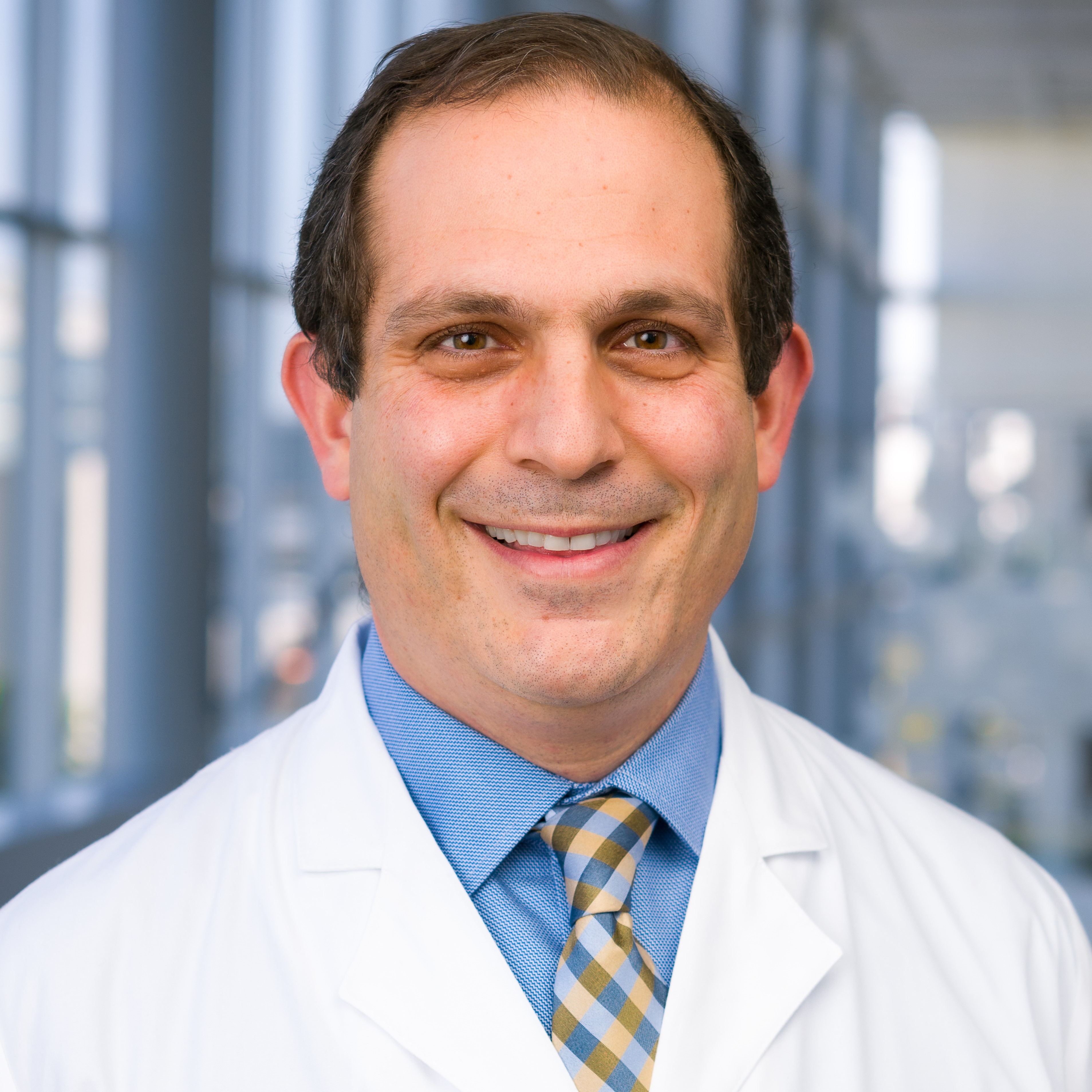
Nader Pouratian, M.D., Ph.D.
Treatment-resistant obsessive-compulsive disorder (OCD) and depression numbers continue to rise, leaving families and physicians desperate for answers and uncertain about next therapeutic steps. A neurology team at UT Southwestern’s Peter O’Donnell Jr. Brain Institute has risen to the challenge and is following clues from other brain disorders to evaluate and introduce new therapies that can restore quality of life.
“We’ve discovered that mental health issues like depression and OCD are not actually that different from movement disorders like Parkinson’s disease. In both cases, there are abnormal brain circuits causing life-altering symptoms,” said Nader Pouratian, M.D., Ph.D., Chair and Professor of Neurological Surgery and Professor of Neurology at the O’Donnell Brain Institute. “The difference is that with Parkinson’s disease and related conditions, we can actually see the effects of the abnormal circuits in the way patients move and talk. With mental health, it doesn’t affect our movements, but it affects many other important and critical functions of our brain and well-being.”
Noninvasive therapies continue to be very effective, but not all patients respond to them equally. This subset of patients – comanaged between Dr. Pouratian and Kala Bailey, M.D., Associate Professor of Psychiatry and Neurological Surgery – who remain treatment-resistant are those whom Dr. Pouratian is now focused on, and by using some of the same treatments that have been successful in neurological, circuit-based diseases, he is seeing improved patient outcomes.
From early curiosity to clinical innovation

Kala Bailey, M.D.
Dr. Pouratian first became interested in studying the brain in a high school AP biology class, where his curiosity was sparked by its complexity and how it shapes us. His formal training in neuroscience and neuroimaging deepened his curiosity and led him down the path of functional neurosurgery.
One area of Dr. Pouratian’s focus is understanding brain circuits and finding advanced targeted therapies to intervene when those circuits malfunction. This has allowed him to apply decades of neurosurgical expertise traditionally used for movement disorders to expand treatment options for patients with mental illness.
Deep brain stimulation (DBS), which has been used safely and effectively to treat Parkinson’s disease and essential tremor for more than 25 years, has emerged as a strong option for patients with treatment-resistant depression and OCD, or for those who have frequent recurrences.
“This can be a great therapeutic option for patients who don’t respond to first-line treatments,” Dr. Pouratian said. “When people have tried and either transiently responded or failed to respond to other therapies like transcranial magnetic stimulation (TMS), electroconvulsive therapy (ECT), and ketamines, they may be a candidate for a sustained therapy like DBS.”
A proven therapy with expanding potential
DBS works by delivering precise electrical stimulation to targeted brain regions involved in disease-related circuits. It involves implanting electrodes within specific areas of the brain that are controlled by a pacemaker-like device placed under the skin in the upper chest. It has been used clinically since the late 1990s and is now a well-established therapy.
Over time, DBS has received approval for use with other conditions such as epilepsy, dystonia, and OCD under a humanitarian device exemption. With advancements in imaging, targeting, and recording technology, DBS can be used to personalize therapy for patients with treatment-resistent depression and OCD.
“DBS is a very focal therapy where you deliver stimulation to a very specific spot in the brain,” Dr. Pouratian said. “This means that it’s more targeted than something like ECT, which delivers electrical stimulation across a large region of the brain. While there’s no incision with ECT, it is still a more involved intervention because it aims to induce a seizure in a controlled manner and requires general anesthesia.”
Once implanted, DBS can reduce the need for frequent clinical visits, which improves quality of life for patients and provides long-term stability. While it’s a surgical intervention, the ability to offer a targeted approach has translated into real-world success. This has caused a shift toward changing the prerequisites for DBS and opening the therapy to a larger number of patients. “When I first started doing DBS for Parkinson’s disease, neurologists weren’t very receptive because they thought it’s an invasive procedure, but we know it’s safe and in many ways better than the alternative,” noted Dr. Pouratian.
Multidisciplinary approach to treatment and research
UT Southwestern has always been at the forefront of research into brain disorders and new therapies for treatments. With a strong interventional psychiatry program, patients benefit from deep expertise combined with cutting-edge research into the best ways to manage their illness.
“Interventional psychiatry, in a nutshell, is an emerging subspecialty that involves advanced brain stimulation like ECT, TMS, vagus nerve stimulation (VNS), and DBS, and specialized medical therapies like IV ketamine,” said Dr. Bailey. “They are offered to patients to treat mental disorders that haven’t responded to traditional treatments such as medications and psychotherapy.”
Each case is evaluated to determine what is the next best step for a particular patient, and by looking at each patient holistically, doctors can open up therapies or recommend research trials that offer the best fit for each specific situation.
“We want to understand why some patients have outstanding outcomes and others don’t,” Dr. Pouratian said. “Our goal is to make therapies like DBS effective for more patients, whether it means selecting the right patients or enhancing how and where we deliver the stimulation. We want to achieve the best outcomes for everyone, one patient at a time.”
In collaboration with interventional psychiatry, UT Southwestern’s Department of Neurological Surgery offers four DBS clinical trials for the treatment of depression and OCD. This includes the industry-sponsored TRANSCEND clinical trial of DBS for depression, two investigator-initiated trials of DBS for depression, and an upcoming trial of DBS for OCD.
As Principal Investigator for the TRANSCEND trial, Dr. Bailey said, “The exciting potential of deep brain stimulation as an intervention for treatment-resistant mental illness is that if it works for an individual patient, it is significantly more likely to have lasting positive effects because once the device is implanted, it can remain and deliver a continuous stimulation indefinitely. It can also be easily removed if needed.”
The goal of these trials is to understand what physiological or radiographic biomarkers predict or enhance the likelihood of success for DBS.
“Most people treated with DBS get a significant response of more than 50% improvement,” Dr. Pouratian said. “So while it’s considered an invasive therapy, it can offer a significant improvement in quality of life for many people, which can be really meaningful.”
Looking ahead
At UT Southwestern, each patient benefits from a multidisciplinary team and a tailored approach to fit their specific situation. The focus is not just on advancing technology, but on caring for each person individually. For patients with treatment-resistant depression and OCD, DBS provides one more option for biomarker-driven, long-term symptom relief. As research continues and evidence grows, DBS safety, targeting, and outcomes will continue to improve. And, close collaboration between neurosurgery, psychiatry, and neurology will continue to uncover new treatment options and a path forward grounded in biology, precision, and hope.
Dr. Pouratian holds the Lois C.A. and Darwin E. Smith Distinguished Chair in Neurological Surgery.
Dr. Bailey holds the Drs. Anne and George Race Professorship of Student Psychiatry.