
A New Era for NF1 – Advancing Care, Expanding Access

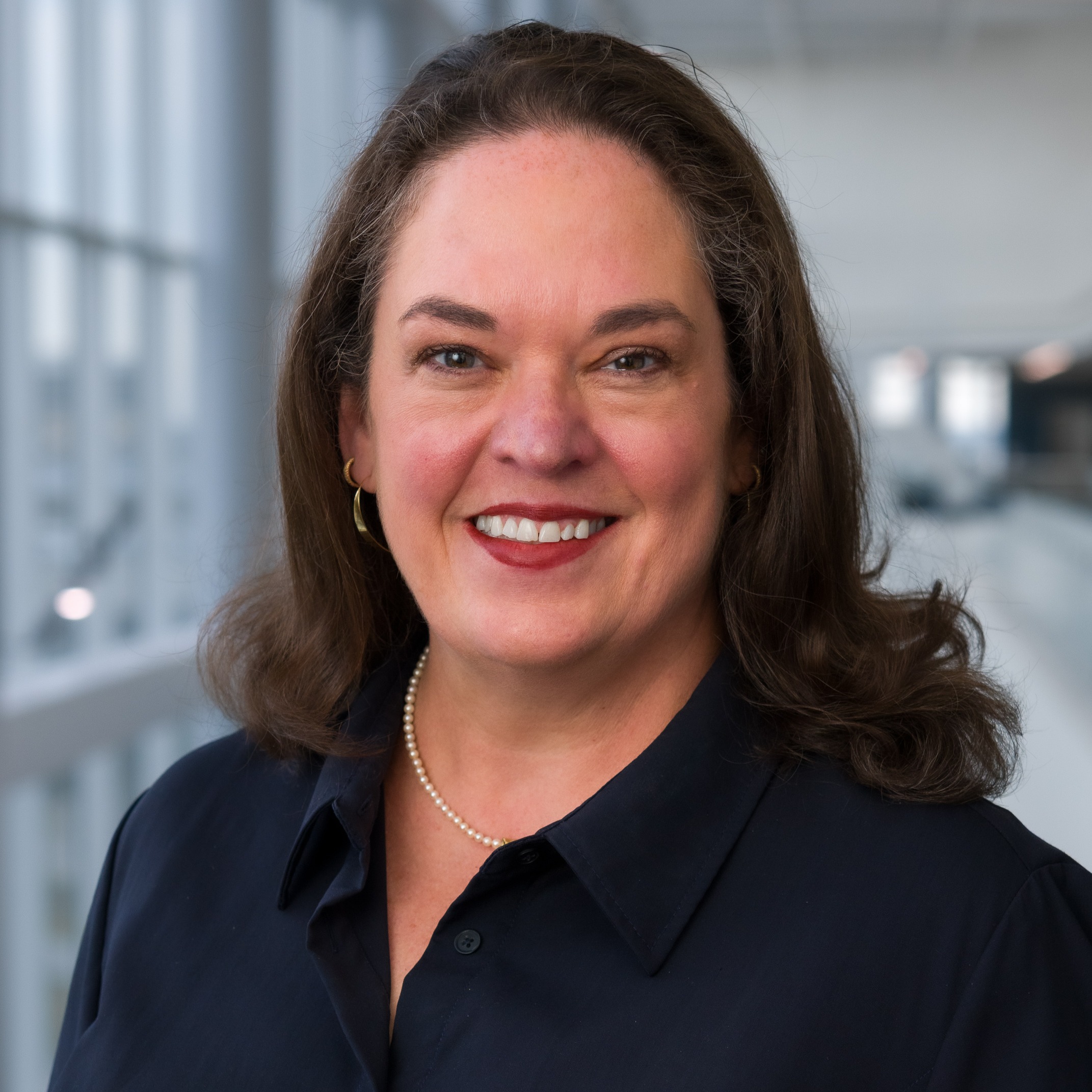
Laura Klesse, M.D., Ph.D.
Why do people get brain tumors, and how can they be treated more effectively? These questions early in her career led Laura Klesse, M.D., Ph.D., a Dedman Family Scholar in Clinical Care and Professor in the Department of Pediatrics at UT Southwestern Medical Center, to a lifelong passion studying neurofibromatosis type 1 (NF1), a complex genetic disorder that causes a variety of tumors, including masses in the brain and along nerves throughout the body.
Typically diagnosed in childhood, NF1 is rare (affecting 1 in 3,000 people) and can lead to a wide range of complications, including skin changes such as café au lait spots, learning differences, bone abnormalities, and in some cases, vision or neurological complications. NF1 is known for its unpredictability, as it varies widely in severity, even within the same family.
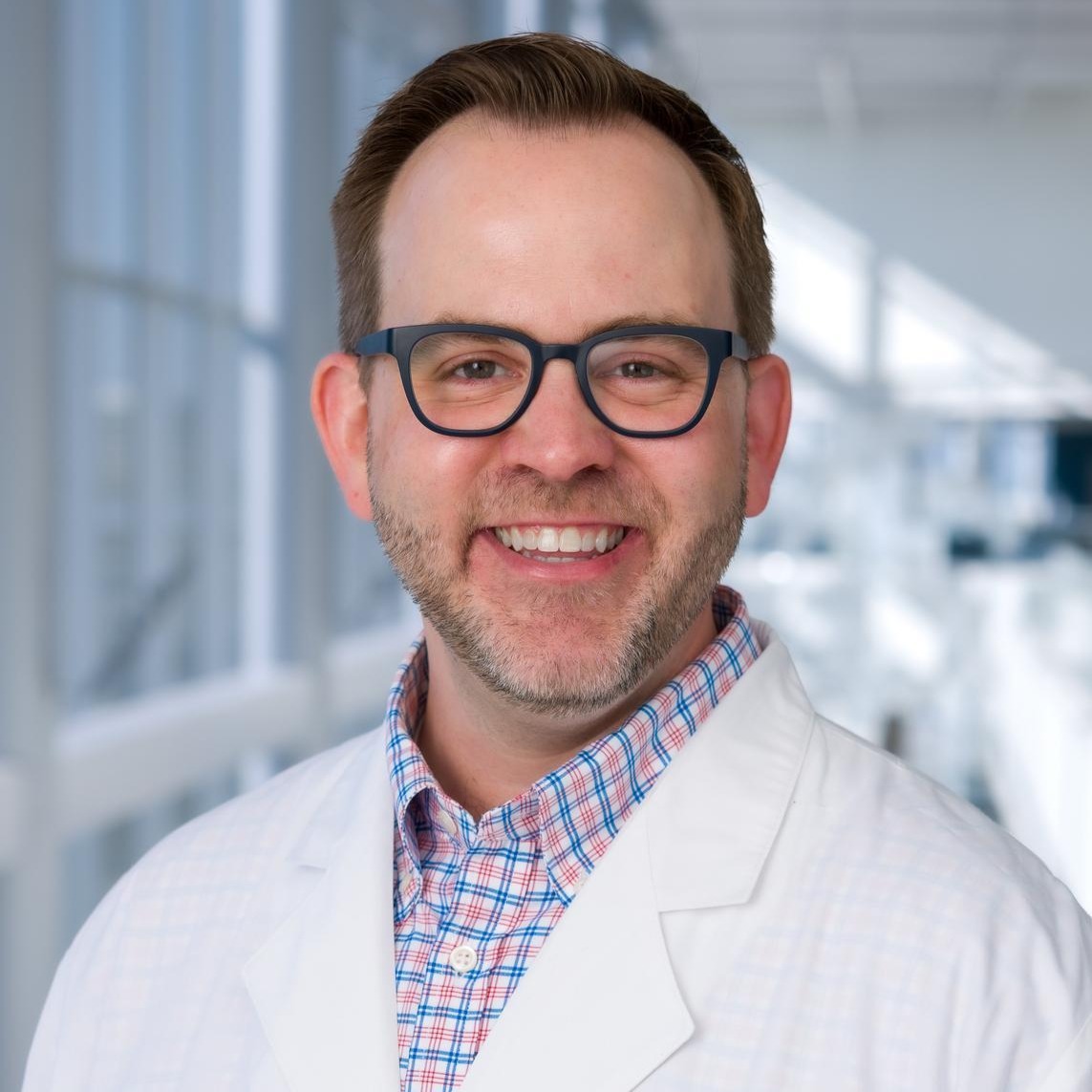
Justin Jordan, M.D., M.P.H., FAAN
Dr. Klesse’s passion for caring for patients with NF1 eventually became her specialization, leading her to help build an influential center of expertise that is redefining NF1 care nationwide. Klesse’s nationally recognized work with Justin Jordan, M.D., M.P.H., FAAN, Associate Professor of Neurology and Section Head of Neuro-Oncology, covers pediatric and adult multidisciplinary care that spans all aspects of what patients with NF1 need and the complications they might encounter.
A New Era in NF1 Care
“Not long ago, surgery was the only option for plexiform neurofibromas, tumors that are especially challenging because they intertwine with major nerves and blood vessels, making complete removal nearly impossible,” said Dr. Jordan. “Each operation essentially bought time, but patients had multiple major surgeries (and sometimes complications) over their lifetime.”
Many adults treated in the 1980s and 1990s underwent 10 or more tumor surgeries, because there were no medical therapies available. But today, two FDA-approved MEK inhibitors have changed that landscape for both children and adults with NF1-related tumors.
“Children with tumors near the orbit are at real risk. If that tumor grows large enough, they can lose vision,” said Dr. Klesse. “For years, we were sending those children to surgery again and again, removing part of the tumor just to try to preserve their sight.”
These new, targeted therapies act on the overactive molecular pathway responsible for tumor growth in NF1, shrinking tumors, reducing pain, and mitigating disfigurement. They’re also being used for other NF1-associated tumors, including optic pathway gliomas. By combining medication with surgery when necessary, outcomes are significantly improved. The hope is that, a decade from now, far fewer patients will require repeated surgeries because they’ll have earlier access to these targeted treatments.
Modern NF1 care is dramatically improving not only medical outcomes but also quality of life. Dr. Jordan described treating a patient with a large, disfiguring plexiform neurofibroma that had already required more than 10 surgeries overseas and had left him blind in one eye. After starting one of the newer targeted medications, the tumor responded significantly. By pairing medical treatment with reconstructive plastic surgery, the tumor was reduced and the patient’s facial structure was restored over several years. The impact went far beyond the physical changes. As treatment progressed, the patient gained confidence, went on to become engaged and later married.
Expanding Access to Treatment
In addition to the specialty care they provide at UT Southwestern, Dr. Klesse and Dr. Jordan are focused on advancing care nationally.
“There is a significant lack of access to NF1 care in this country. Most specialty centers focus on children, and once patients reach adulthood, they often enter a territory with very limited expertise,” said Dr. Jordan, “NF1 is an unpredictable condition that affects multiple body systems and carries a predisposition for malignancy. For adults without access to knowledgeable providers, the absence of proper screening and counseling around cancer risk is serious.”
Even within the same family, symptoms can vary significantly from one member to the next, sometimes creating a false sense of security for patients. If a parent had a mild course, their child may assume they will, too, but that’s not necessarily the case. Personalized care requires a doctor who is extremely familiar with the disease and can monitor patients closely.
“I tell my patients, ‘I want to see you every year, regardless of whether you're having issues or not, and I want to hear everything that happened that year so we can think about it through the lens of NF1,’” said Dr. Jordan. “Because something as benign as developing high blood pressure may be related to a tumor sitting on the adrenal gland or a blood vessel abnormality.”
All underlying issues should be treated as NF1 to achieve the best outcomes and this is the basis of Dr. Klesse and Dr. Jordan’s work, which focuses on educating clinicians, identifying gaps in care, attracting new researchers, and encouraging existing clinics to expand their expertise. In regions such as the Western United States, specialized clinics are especially scarce, and some patients rely solely on a primary care physician.
To address this need, Dr. Jordan is collaborating with colleagues at Massachusetts General Hospital on a randomized controlled trial for patients without specialty access, comparing standard educational materials for patients from their primary care doctors with individualized, patient-specific care recommendations based on collected clinical information. The goal is to determine which approach is more likely to result in guideline-supported care. At a minimum, these efforts aim to equip both patients and providers with the knowledge they need to understand risks and manage care appropriately.
“We have to walk families through all the different manifestations, what can happen, and really guide their care,” said Dr. Klesse. “We can do that by getting more people to understand how complex NF1 is.”
It’s a revolutionary time in NF1 care, but without specialized care, timely intervention can be missed, and patients may never have access to the targeted therapies that are now changing the course of the disease.
Leading NF1 Treatment Forward
Another way Dr. Klesse and Dr. Jordan are deepening expertise in NF1 care is through their participation in the Department of Defense-funded NF Clinical Trials Consortium, for which Dr. Klesse serves as the principal investigator at UT Southwestern. The consortium is vital for bringing new therapies to patients early, often before they are widely available. It also combines novel biomarkers into clinical trials, advancing our understanding of manifestations of NF1. As the only clinical site in Texas participating in the consortium, UT Southwestern provides patients across the state access to cutting-edge clinical trials close to home.
In addition, Dr. Klesse is chair of the Children’s Tumor Foundation Clinical Care Advisory Board, on which Dr. Jordan also serves as a member. Among other things, this group provides national leadership in efforts to improve access to care, getting the newest tests and treatments into clinics, and educating physicians on the manifestations of NF1. Through this and the work they do every day at UT Southwestern, Dr. Klesse and Dr. Jordan are combining clinical trial access with comprehensive, lifespan-focused NF1 care to intervene sooner, coordinate treatment, and help prevent complications before they become too difficult to manage.
“When I was a resident 15 years ago, a patient came in with NF1 in my continuity clinic and I thought, ‘How could I possibly help them?’” said Dr. Jordan. “It’s powerful to reflect on how far we’ve come and understand how we’re now able to change lives.”