
UT Southwestern Named Parkinson’s Foundation Center of Excellence

Following a thorough evaluation and peer-review process, UT Southwestern Medical Center was recently designated a Parkinson’s Foundation Center of Excellence – the first in North Texas and only the second in Texas to receive the recognition.
UT Southwestern’s designation was awarded based on a range of criteria related to the academic medical center’s Parkinson’s disease efforts, including multidisciplinary care, research, professional education and training, quality improvement, and community outreach.
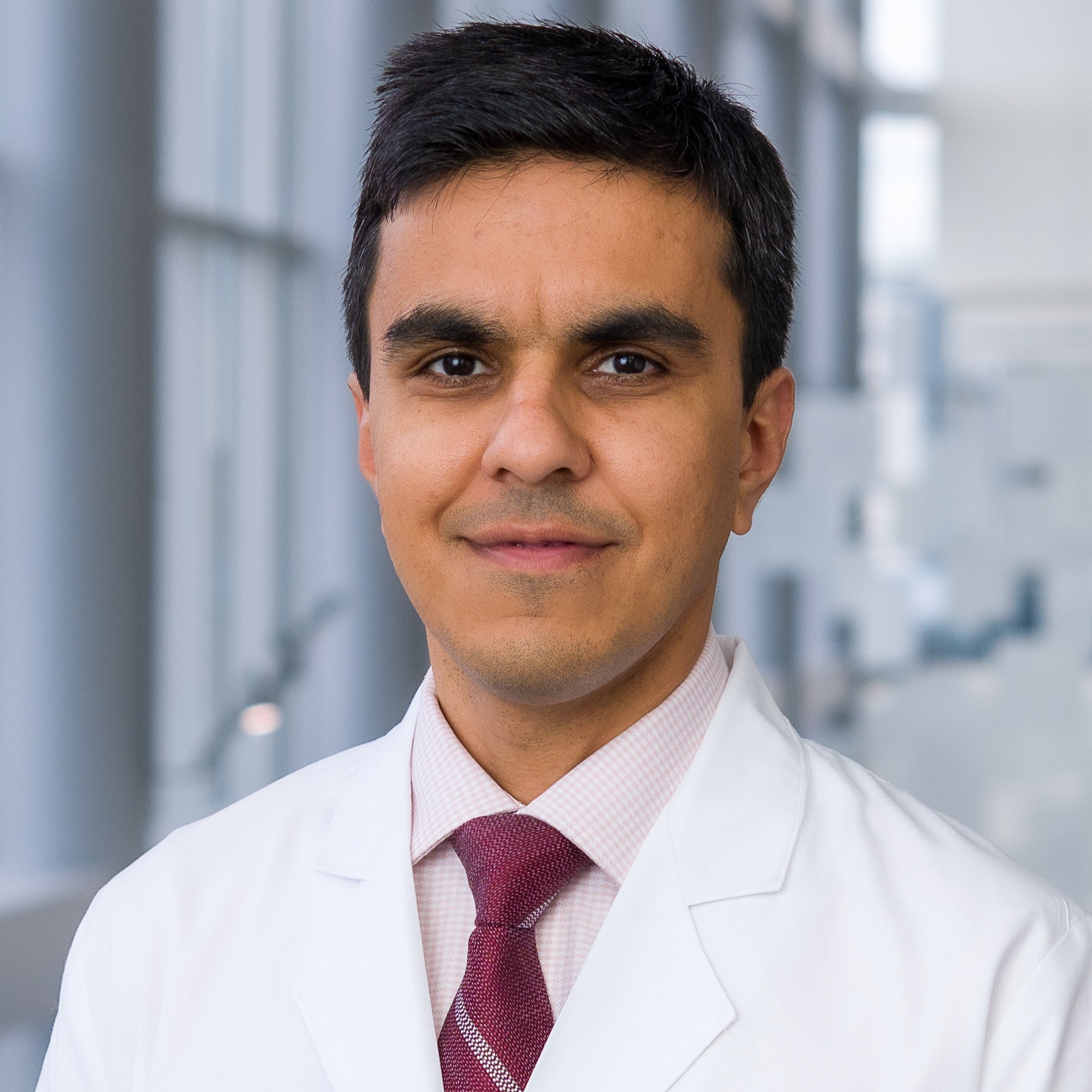
Vibhash Sharma, M.D.
“We are honored to receive this designation,” said Vibhash Sharma, M.D., Director of the Parkinson’s Foundation Center of Excellence at UT Southwestern. “For patients and families, this reflects the specialized, personalized care they receive from a team of Parkinson’s experts, along with access to the latest treatment options, clinical trials and research, and education to help them navigate every stage of the disease.”
The designation places UT Southwestern among a select group of institutions recognized by the Parkinson’s Foundation for excellence in the care of people living with the progressive brain disorder. It is a highly regarded distinction in the Parkinson’s disease community, awarded through a comprehensive application and review process that involves submitting detailed information and an on-site evaluation conducted by the Parkinson’s Foundation and external reviewers. Only 59 centers worldwide have received the designation, including 46 in the United States.
Multidisciplinary care
The Parkinson’s Foundation and its reviewers recognized UT Southwestern’s multidisciplinary Parkinson’s disease program, which integrates expertise from Neurology, Neurological Surgery, Neuroradiology, Rehabilitation, Psychiatry, Neuropsychology, supportive care services, and community outreach to provide comprehensive care across all stages of the disease. Specialty clinics include the Neuromodulation Movement Disorders Clinic, which provides comprehensive evaluation for advanced therapies, including deep brain stimulation (DBS) and MR-guided focused ultrasound (MRgFUS), as well as a neuropalliative care clinic to support patients throughout all stages of Parkinson’s disease. Reviewers specifically commended the program for its unique inclusion of a neuroethicist and a bilingual geriatric psychiatrist.
In addition, UT Southwestern’s Total Care Program for Parkinson’s disease, supported by the Peter O’Donnell Jr. Brain Institute, expands patient and caregiver education, support services, and community engagement efforts.
“We hear from families all the time that the hardest part isn’t just the diagnosis – it’s not knowing what’s coming next or where to turn when things shift and the disease progresses,” said Anubha Sood, Ph.D., Manager of the Total Care Program. “Medical treatment only covers part of that. Our goal is to be the steady resource for everything else – the day-to-day questions, the emotional weight, the practical support – whatever stage families are in.”
The Total Care Program helps people with Parkinson’s disease and their care partners navigate the physical, emotional, and practical challenges of the disease while maintaining quality of life throughout their care journey. It is steered by a Patient and Family Advisory Council (PFAC) that empowers and amplifies the voices of the most important stakeholders – the Parkinson’s patients and families seeking care at UT Southwestern. The program is also connected to a network of community organizations, helping patients access resources and support services tailored to their individual needs.
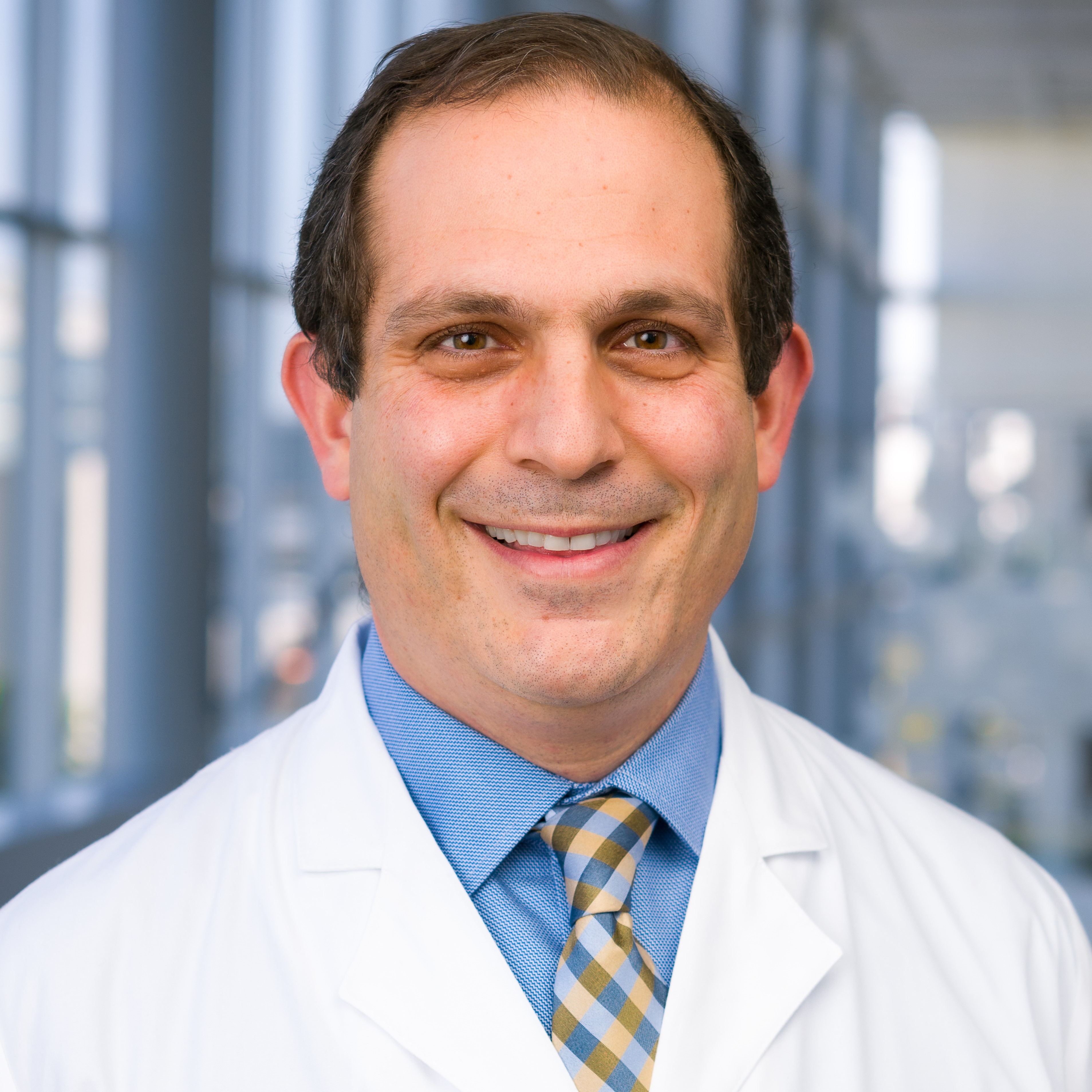
Nader Pouratian, M.D., Ph.D.
Additionally, the Total Care Parkinson’s nurse navigator provides personalized care guidance and connects patients and families with educational resources and ongoing support, adding another layer of assistance to the program’s multidisciplinary, patient-centered approach.
“UT Southwestern has made a deep and intentional multidisciplinary commitment to advancing the care of patients with movement disorders, including Parkinson’s disease,” said Nader Pouratian, M.D., Ph.D., Chair and Professor of Neurological Surgery. “The designation recognizes the concerted efforts of multiple specialties to provide top-tier care to each person and family with Parkinson’s disease and the wider community across North Texas and beyond.”
Research
Another key factor in the designation was UT Southwestern’s active Parkinson’s disease research program, which spans basic science, translational research, clinical research, and clinical trials. The Parkinson’s Foundation noted the program’s commitment to advancing understanding of Parkinson’s disease while expanding therapeutic options for patients.
“Our core motivation is to better understand our patients so we can improve their care,” Dr. Pouration said. “That insight can help us provide the most cutting-edge treatment and innovation with the best possible experience for our patients.”
Education and training
The Parkinson’s Foundation also highlighted the program’s commitment to physician education and training. A well-established Movement Disorders Fellowship program provides advanced training for future movement disorders specialists, helping address the growing need for physicians with expertise in Parkinson’s disease. In addition, the program’s educational initiatives provide learning opportunities for medical students, residents, and other healthcare professionals.
Quality improvement
Among the many strengths cited by the reviewers were the program’s highly personalized approach and its commitment to reducing barriers to care for each patient. Advanced practice providers (APPs) help improve timely access to specialized Parkinson’s care, and the Parkinson’s disease nurse navigator helps patients and their caregivers navigate the healthcare system, providing a personal care plan and educational resources, allowing patients more time to focus on their treatment.
Community outreach
Reviewers highlighted the program’s commitment to serving patients beyond the clinic through community engagement. UT Southwestern partners with local organizations, including the Dallas Area Parkinson Society (DAPS), to connect people with Parkinson’s disease and their families to resources. These collaborations include educational programming, support groups, community events, and initiatives designed to improve access to care for underserved populations. The program also hosts an annual Total Care Parkinson’s disease symposium for patients and their care partners and families. In addition, the PFAC helps ensure that patient and caregiver perspectives guide program development and community engagement.
Future growth and program development
The Parkinson’s Foundation Center of Excellence designation includes funding to support the continued growth and expansion of UT Southwestern’s Parkinson’s disease program. To maintain the designation and associated funding, the program will undergo periodic evaluations to ensure it maintains the standards for a Center of Excellence.
“Our vision is to continue increasing access to comprehensive Parkinson’s care, advanced therapies, and clinical trials while further expanding our integrated neuromodulation program, growing collaborative research programs, advancing education, and engaging with our community to improve the lives of people living with Parkinson’s disease,” Dr. Sharma said.
A milestone for Parkinson’s disease care
In its designation letter, the Parkinson’s Foundation stated that UT Southwestern provides person-focused, integrated care that strongly reflects the organization’s mission and values. Aside from being a great honor, the designation represents a significant milestone for Parkinson’s disease care in Texas. As a newly minted Parkinson’s Foundation Center of Excellence, UT Southwestern Medical Center will continue to play an important role in advancing clinical best practices, expanding access to expert care, supporting research, and improving outcomes for patients and families affected by the disease.