
The Eye as a Window to Neurologic Disease

The eye is one of the few places in the body where the central nervous system can be observed directly – and it often speaks before the brain does. Subtle changes in vision, optic nerve integrity, or retinal structure can be the first signal of neurologic disease, including multiple sclerosis, long before other symptoms emerge. As ophthalmology and neurology continue to converge, the eye has become a road map for earlier diagnosis, more precise monitoring, and timelier intervention.
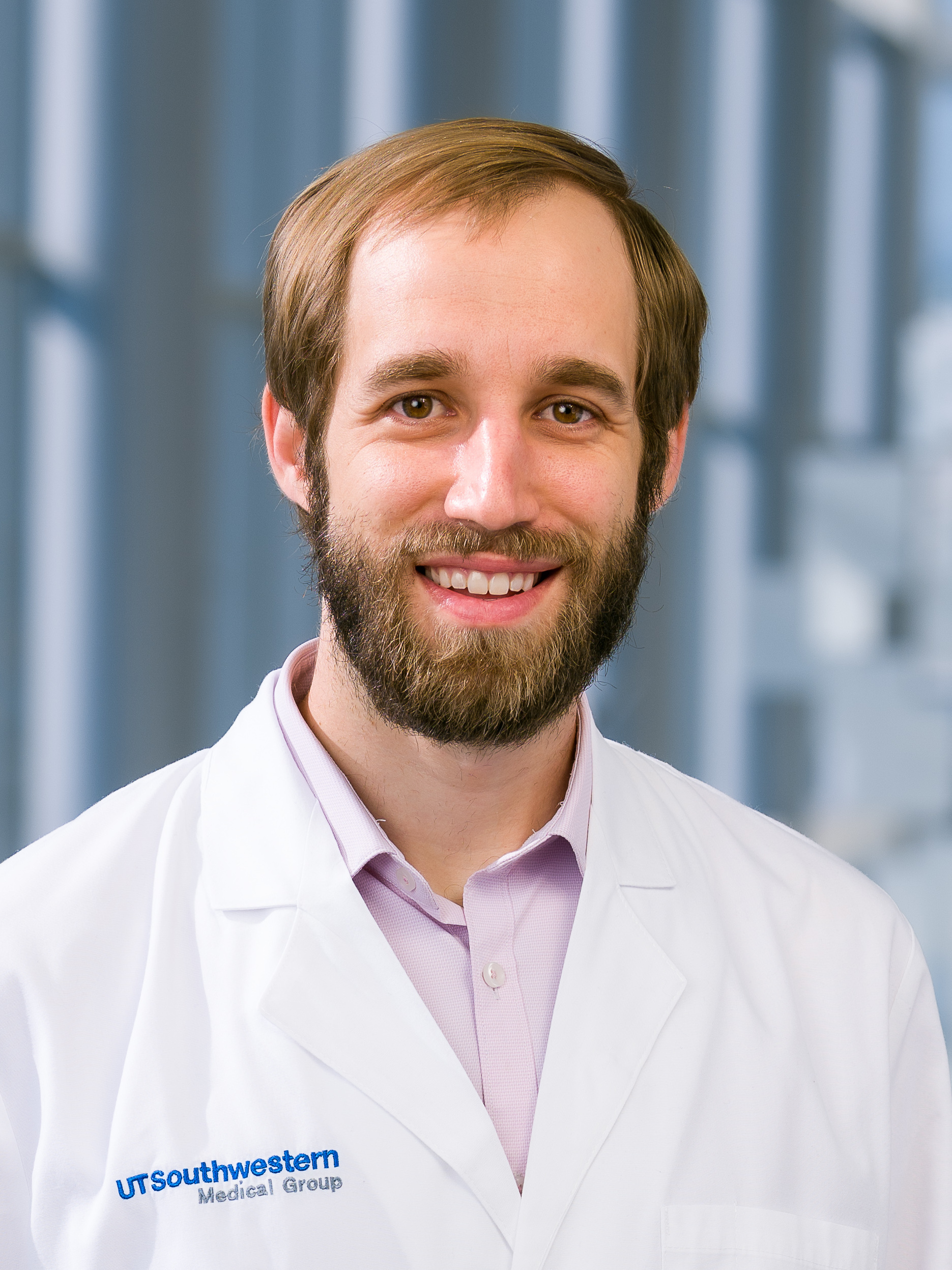
Peter Sguigna, M.D.
Peter Sguigna, M.D., an Assistant Professor in the Multiple Sclerosis and Neuroimmunology section of the Department of Neurology at UT Southwestern Medical Center, works at the forefront of this powerful intersection. During his fellowship, Dr. Sguigna studied multiple sclerosis (MS) and related disorders as well as neuro-ophthalmology – the interface between neurology and ophthalmology. Today he focuses primarily on MS, but his work spans other disorders that have visual symptoms, such as optic neuritis, which isn’t always part of multiple sclerosis and is sometimes its own diagnosis.
The Neuroimmune Spectrum
“MOGAD, or myelin oligodendrocyte glycoprotein antibody-associated disease, and neuromyelitis optica spectrum disorders represent a large part of our practice as they can look similar to multiple sclerosis clinically, especially early on, and are primarily neuroimmune, likely autoimmune, conditions,” Dr. Sguigna said. “We also evaluate patients with idiopathic intracranial hypertension, or pseudotumor cerebri, to better understand the visual manifestations of the disorder.”
The Multiple Sclerosis Program at UT Southwestern is recognized as a world leader in MS research and treatment, and its Multiple Sclerosis and Neuroimmunology Clinic has been designated as a Center for Comprehensive care by the National Multiple Sclerosis Society. The clinic’s eye lab has been part of that comprehensive patient care for more than 25 years.
Now more than 1,000 patients annually are referred to the eye lab because of vision loss or eye pain, particularly with eye movement, which are cardinal symptoms of optic neuritis. Since that could also indicate multiple sclerosis, the team is highly skilled at distinguishing between the two and accelerating care if needed.
“One of the questions we try to answer is whether blurry vision is from presbyopia – age-related visual changes – or if it is part of the underlying disease of multiple sclerosis,” Dr. Sguigna said. “Our goal is to diagnose early so that we can get patients to the right place more quickly.”
Early Signals in a Silent Disease
Multiple sclerosis can include “silent disease,” with signs of illness appearing on an MRI long before patients show symptoms. Dr. Sguigna’s team is changing this landscape by leveraging a technology called optical coherence tomography (OCT) to examine asymptomatic neurodegeneration. This helps guide diagnosis and is often used as a marker for treatment.
“Early in the disease, you may use OCT to determine how active the disease is or to assess the likelihood of significant disability accumulating over time,” he said. “We can also monitor outcomes annually to ensure we are adequately controlling the disease to achieve no evidence of disease activity, or NEDA.”
Improving Visual Outcomes
Conversely, many patients already have a strong understanding of their disease, and the more challenging part is identifying the root issue of the vision struggle. While neurologists can do many things to improve vision, for a significant percentage of patients referred to the eye lab, options are limited. But with more testing and insight, the team may identify medications or strategies that can meaningfully impact patients’ lives.
One example involves unique eye movement disorders such as nystagmus or other neurological eye movement abnormalities. By using medications not originally designed for these issues, Dr. Sguigna’s team applies advanced neurological understanding to improve visual outcomes. This can be the difference between a patient feeling confident returning to work or not.
Discovering the Next Breakthrough
Another major contribution lies in research. The team is focused on developing new therapies to improve function in multiple sclerosis and related disorders. UT Southwestern has a rich history in this area and is involved in several promising drug therapy research trials. It was the only U.S. site to participate in one of the most recent successful remyelination clinical trials, called VISIONARY-MS. The team can quickly determine whether patients are experiencing a multiple sclerosis-related issue or if they should be referred to a retina specialist or optometrist for faster care. Collaboration extends across ophthalmology, neurosurgery, and many other departments.
“The holy grail of multiple sclerosis research has always been remyelination because restoring myelin has the potential to reverse the visual, motor, and mobility-related disabilities that define so many neurologic diseases,” Dr. Sguigna explained. “We’ve always been cautiously optimistic that we might have something in the long run to undo some of that damage.”
What’s Ahead
There is no shortage of work, passion, and collaboration within the Sguigna Lab, across UTSW departments, or throughout the institution. Scientists, ophthalmologists, neurologists, and researchers are all working toward a common goal.
“In cardiology, we know a lot about how the heart works and how to prevent cardiovascular diseases, but there are still many unanswered questions about the brain, how it works, and how we fix it – and that’s where we are headed,” Dr. Sguigna said.
The research landscape across the National Institutes of Health and other major funding bodies continues to grow, with strong enthusiasm for answering key scientific questions in the next five, 10, or more years. Multiple sclerosis also has a robust international research community that actively shares data and insights worldwide. Emerging imaging technologies and innovative approaches hold new promise.
“We’ve always been cautiously optimistic that we could eventually undo some of the damage caused by MS, despite past and more recent setbacks. What’s exciting now is that progress is emerging from unexpected directions – such as by leveraging the body’s own healing processes to help augment recovery,” Dr. Sguigna added.
As advances continue to improve the lives of those with multiple sclerosis and related diseases, vision has proved to be a powerful window into the brain – inspiring doctors at UT Southwestern and across the world to accelerate the understanding of the brain to a level that not only changes lives, but also rivals what is known about the heart.