
Science of Brain Stimulation Treatments Yields New Methods, Improved Outcomes

Treatment-resistant depression and other mental health conditions that do not respond well to pharmacological or psychotherapy interventions can be difficult to manage and may pose dangers for patients with severe symptoms such as suicidal ideation. UT Southwestern Medical Center offers noninvasive, non-medication-based brain stimulation treatments such as transcranial magnetic stimulation (TMS), electroconvulsive therapy (ECT), and magnetic seizure therapy (MST), a newer treatment undergoing FDA approval that holds significant promise. Our researchers and clinicians are leading the way in delivering and refining these treatments, ensuring the best possible outcomes for their patients.
The Science Behind TMS
Transcranial magnetic stimulation has become over the last decade one of the most recognizable and accessible brain stimulation treatments for those with depression. Targeting the neurocircuits involved in mood regulation, TMS treats depression by using magnetic pulses to change how nerve cells function, activating areas that have been less active during depression and restoring them to function. Often, those with depression start to see improvement in mood within the first two weeks after beginning treatment. Remission, if achieved through TMS, tends to be relatively stable after a treatment course is complete, although a small number of patients may consider follow-up courses.
While TMS is primarily indicated for treatment-resistant depression, it has also been cleared by the FDA for use in treating obsessive-compulsive disorder (OCD). Research is ongoing into its use for other conditions, including post-traumatic stress disorder, substance use disorders, and depression in older people and adolescents. TMS is cleared as an adjunctive treatment for those age 15 or older.
Alleviating Suffering and Accelerating Treatment
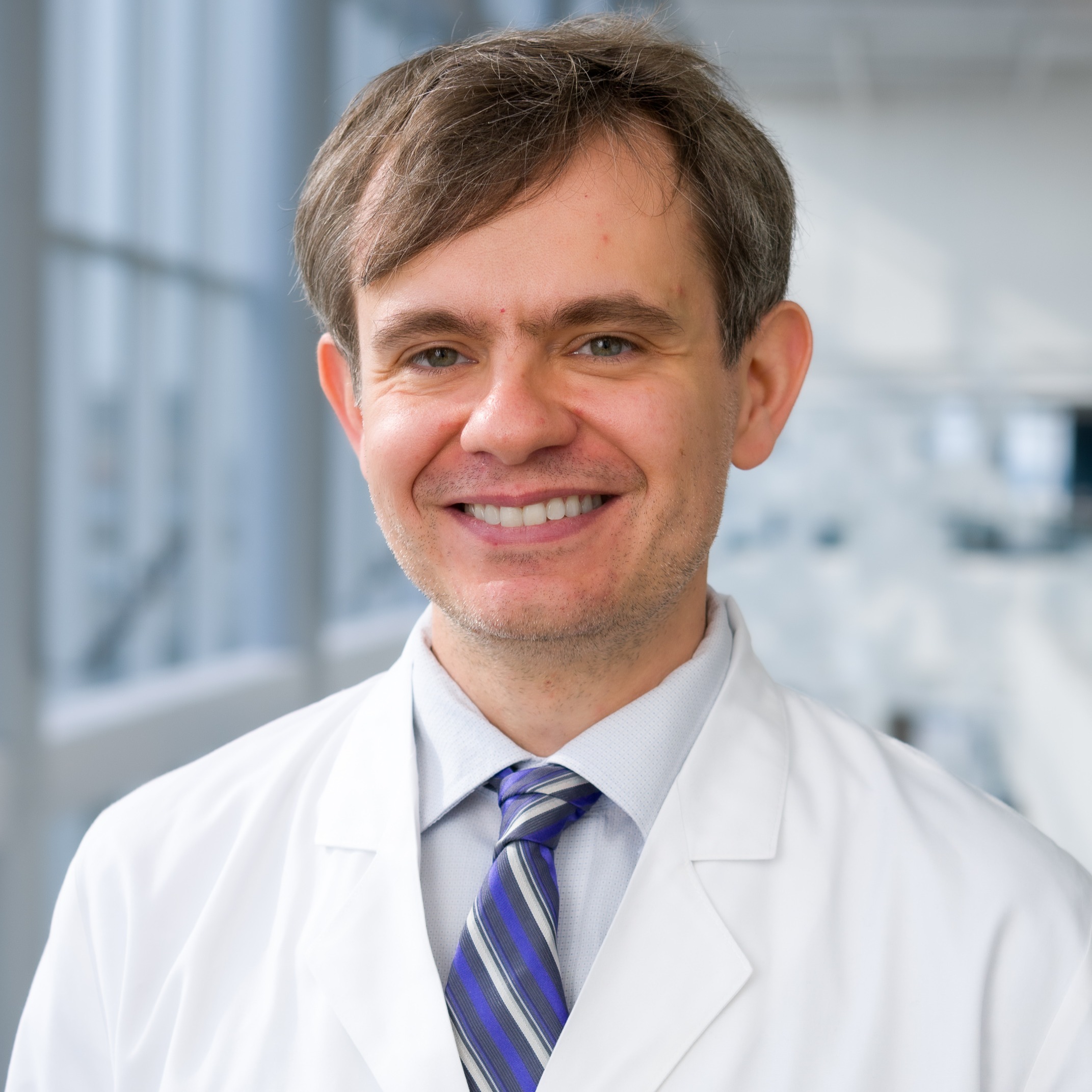
Andre Russowsky Brunoni, M.D., Ph.D.
TMS has traditionally been delivered once a day over the course of several weeks. One of the most exciting recent developments in TMS delivery is accelerated theta-burst stimulation, a related treatment that has been shown to deliver similar results in a shorter time frame.
“The standard protocol for TMS is one session per day for six weeks for a total of 30 sessions. It is a treatment that requires the dedication of 30-40 minutes per day, every day, and there is their commute to consider. So, it's very time consuming and that is a limiting factor,” said Andre Russowsky Brunoni, M.D., Ph.D., a Professor in the Department of Psychiatry and Division Chief of Interventional Psychiatry at UT Southwestern. “Accelerated protocols usually range between three and 10 sessions per day, with a stimulation interval between these sessions. So, if we can do, for instance, between four to six sessions per day, then treatment that would last six weeks may only require one week. It has been a game changer in the field.”
Researchers are also refining the use of neuronavigation to make the procedure more precise, using a patient’s MRI to guide placement of the magnetic coils used in treatment.
“This allows us to do a much more targeted approach and stimulate the brain exactly where we want to stimulate it,” Dr. Brunoni said, noting that head measurements for magnet placement are used in most cases.
The Gold Standard of Care
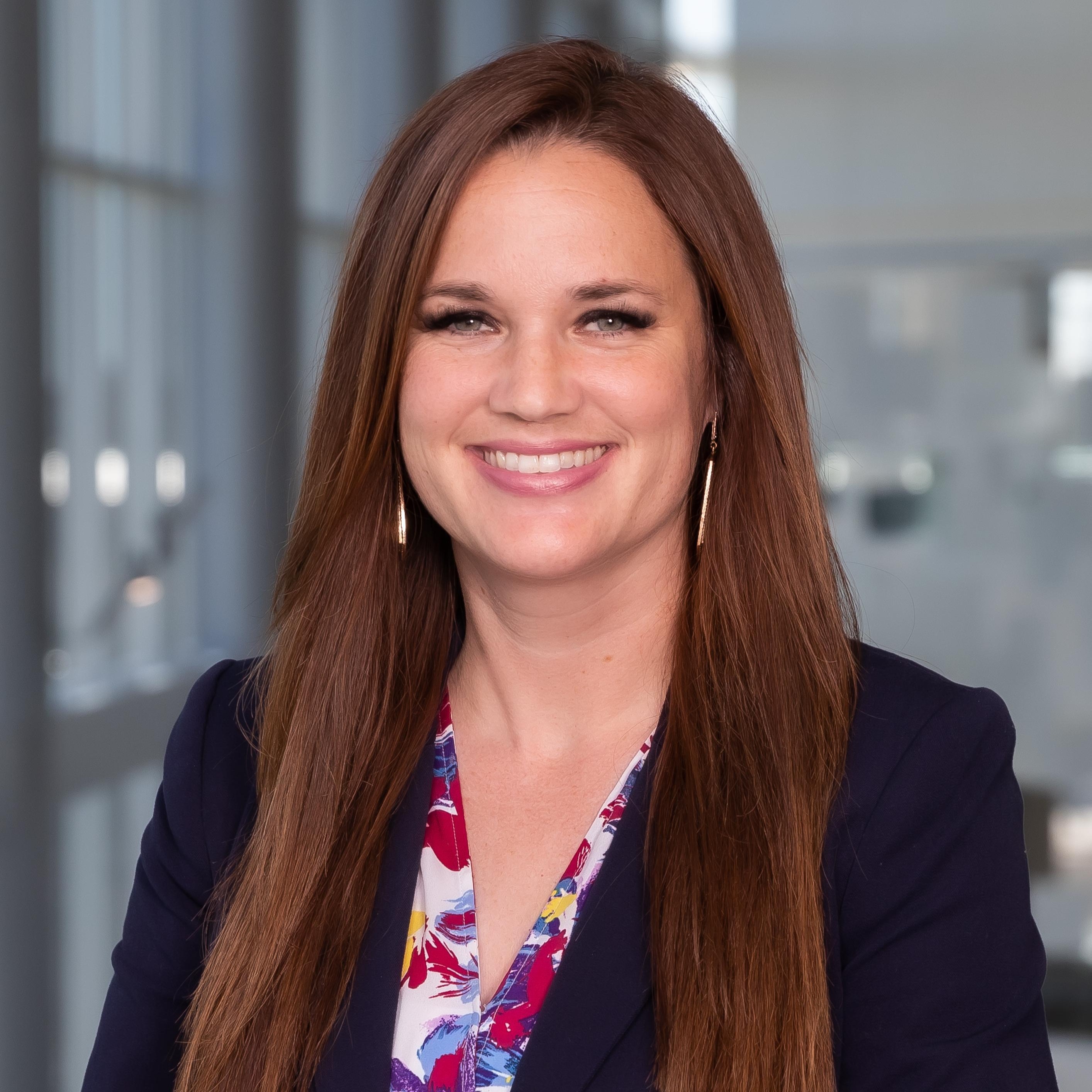
Kala Bailey, M.D.
Electroconvulsive therapy was one of the first brain stimulation treatments and has evolved over the past 80 years through clinical research to improve its safety and efficacy. ECT modifies the circuitry of the brain by sending a short electrical stimulation through the brain that creates a controlled and physician-monitored seizure while the patient is under general anesthesia. ECT can be administered on an inpatient or outpatient basis, based on the treating physician’s determination of need. It may be indicated for patients with major depression, treatment-resistant depression, late-life depression, catatonia, bipolar disorder depression or mania, schizoaffective disorder, and schizophrenia.
Kala Bailey, M.D., an Associate Professor and Vice Chair of Clinical Affairs for the Department of Psychiatry and the Executive Clinical Director for the Neuroscience Service Line at UT Southwestern, said ECT remains the gold standard of care when it comes to brain stimulation treatments.
“The response rate of ECT for depression is in the range of 70% to 80%, and we don't have currently anything else that matches that efficacy,” said Dr. Bailey, adding that recent innovations in the treatment include refining the medication dosing used during anesthesia to make recovery more comfortable.
ECT can be a lifesaver for people who suffer severe treatment-resistant depression and who have not responded to TMS or ketamine treatments.
“There are some patients that are so ill with a more serious safety concern – who are hospitalized, who have catatonia or psychosis associated with their severe depression, or they're not eating or drinking well – and in those cases, we generally bypass TMS and ketamine and it goes straight to ECT,” she said.
Despite its effectiveness, it can have cognitive effects in some patients, including short-term memory loss, although those generally resolve after a short period.
A New Magnetic Treatment in Development
Magnetic seizure therapy is similar to ECT in that the patient is anesthetized and a medically controlled and monitored therapeutic seizure is introduced. However, MST may be safer than ECT at delivering relief from depression while avoiding areas of the brain associated with cognitive functions such as memory.
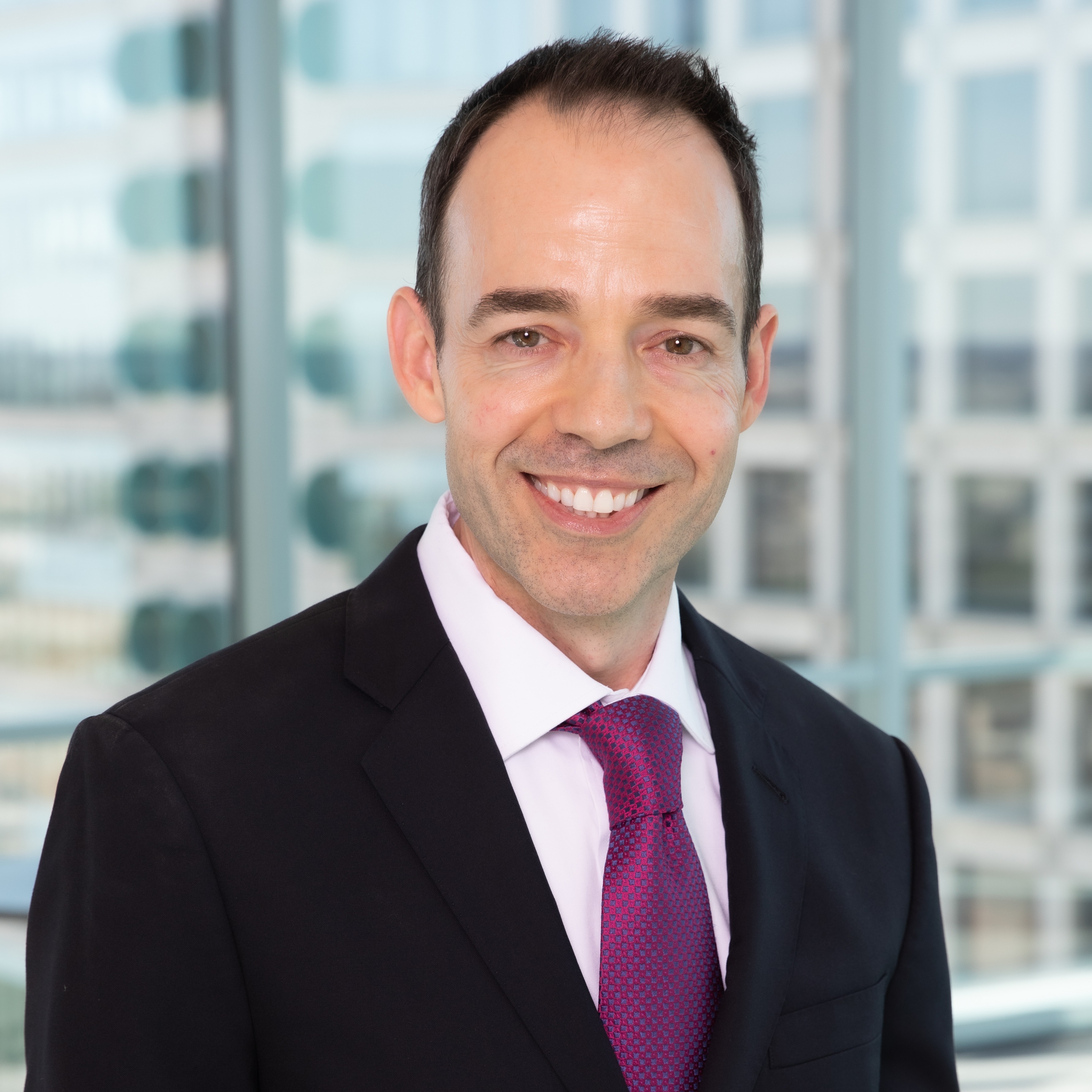
Shawn McClintock, Ph.D.
Scientists at UT Southwestern, in collaboration with the Centre for Addiction and Mental Health (CAMH) in Toronto and University of California San Diego School of Medicine, recently published a study in The Lancet Psychiatry confirming that MST is as effective as ECT while resulting in a better cognitive safety profile. While more research is needed to support MST as a clinical procedure, researchers believe the trial shows significant promise for its use in clinical settings.
Shawn McClintock, Ph.D., a Professor in the Department of Psychiatry and a UT Southwestern Co-Investigator of the CREST-MD study, noted that, in addition to treating depression, there is also emerging preliminary evidence that MST could be effective in treating bipolar disorder, suicidality, and late-life depression.
“When we think about ECT, it has robust and strong efficacy, but the biggest drawback has always been the cognitive adverse effects and that some people don't want to take that chance, nor do some clinicians want to recommend it,” Dr. McClintock said. “So, now we have a new treatment that can match the efficacy from an antidepressant standpoint and have cognitive safety. It's a win-win for everybody.”
Dr. Bailey holds the Drs. Anne and George Race Professorship of Student Psychiatry.
Dr. Brunoni holds the Sherry Gold Knopf Crasilneck Distinguished Chair in Psychiatry, in Honor of Mollie and Murray Gold.
Dr. McClintock holds the Lydia Bryant Test Distinguished Professorship in Psychiatric Research.